EMDR Therapy for Anticipatory Grief
Anticipatory grief — the grief that comes before a loss, when someone you love is dying or a significant ending is approaching — is real and valid. EMDR can help you hold the complexity of loving someone while also preparing to lose them, without shutting down or becoming overwhelmed by what is coming.
Book a free consultation →You might be a good fit if...
Someone you love is dying or seriously ill, and you're already grieving
You're trying to be present for them while also managing your own fear and pain
You're aware of the loss coming and don't know how to prepare for it
The anticipatory grief is interfering with your ability to be with them now
You feel guilty for grieving someone who is still alive
You want support that helps you hold the complexity of what you're experiencing
Three steps, no surprises.
We talk briefly about what's going on and whether EMDR is a good fit. No forms, no intake paperwork yet — just a real conversation. You can ask anything.
The first full sessions are about understanding your history and building the stabilization skills you'll need. No processing happens until you feel ready and grounded.
We target specific memories and beliefs using bilateral stimulation. Sessions are 45 or 60 minutes, via video. Most people notice real shifts within a handful of sessions.
Marcus Ghiasi, LMFT
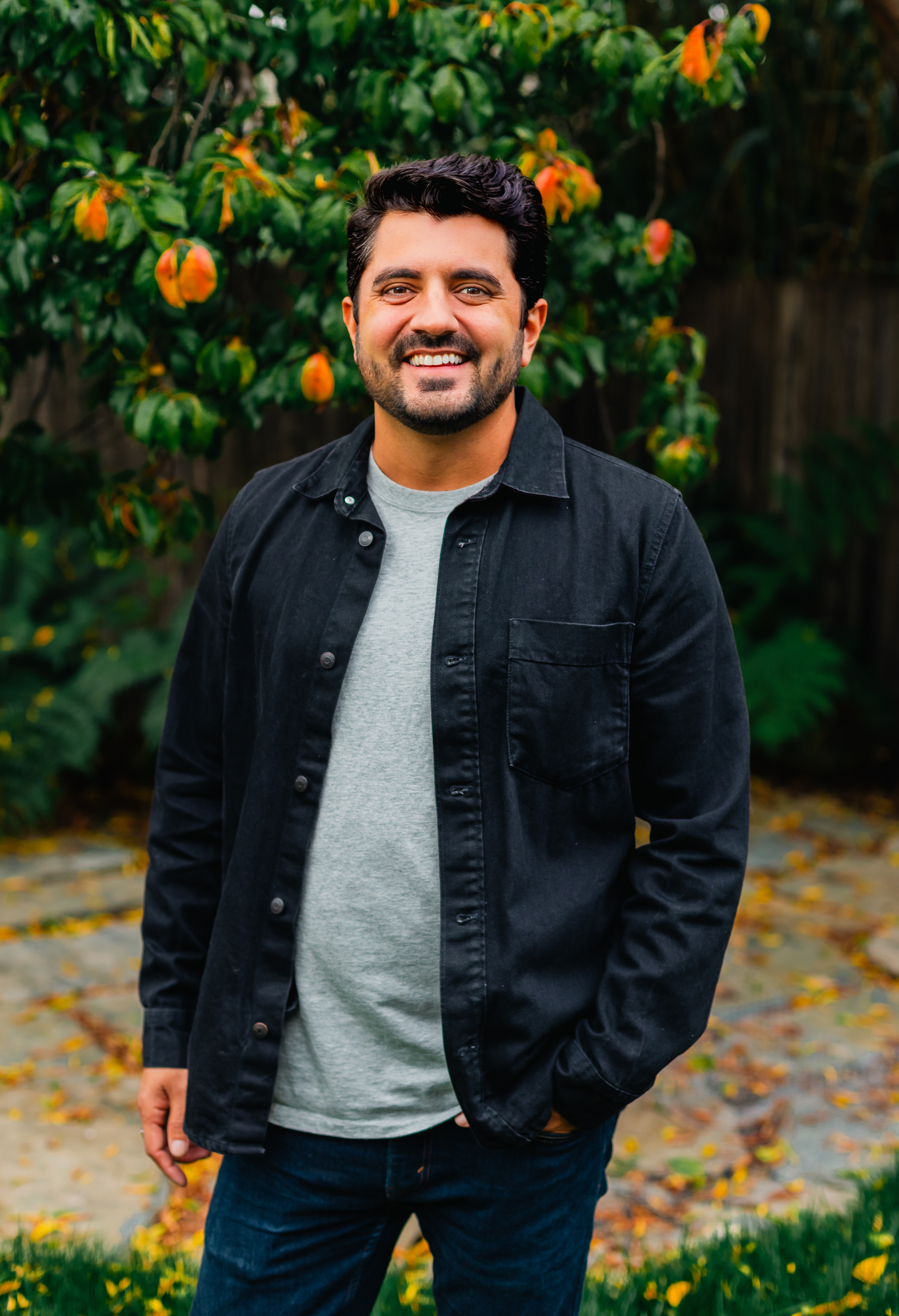
I'm a licensed Marriage and Family Therapist (LMFT #158475) and the founder of Bayside Wellness & Counseling, based in Oakland. I've been doing this work for over 10 years.
I specialize in EMDR because I've seen it create change that talk therapy alone couldn't reach — and I work entirely via telehealth so I can see clients throughout California.
Private pay. Superbill provided — many PPO clients recoup a portion through out-of-network benefits. HSA/FSA accepted.
Before you reach out.
Serving clients throughout the Bay Area.
All sessions via telehealth. Available to clients throughout California, with a concentration in the Bay Area.
Ready to begin?
The first step is a free 15-minute consultation. No forms, no pressure — just a real conversation about whether this is the right fit.