EMDR Therapy for Complex PTSD
Complex PTSD develops from prolonged, repeated trauma — often in childhood or within close relationships. It affects identity, self-worth, emotional regulation, and relationships in ways that can feel permanent. EMDR, combined with careful stabilization work, is one of the most effective approaches for C-PTSD available today.
Book a free consultation →You might be a good fit if...
Your trauma wasn't one event — it was ongoing, relational, or happened during childhood
You struggle with emotional regulation, self-worth, or feeling safe in relationships
You've been in therapy before and made progress, but something still feels stuck at a deeper level
You have a fragmented or painful relationship with your own identity
Standard talk therapy has helped somewhat but hasn't reached the roots
You want a therapist who understands the difference between PTSD and C-PTSD
Three steps, no surprises.
We talk briefly about what's going on and whether EMDR is a good fit. No forms, no intake paperwork yet — just a real conversation. You can ask anything.
The first full sessions are about understanding your history and building the stabilization skills you'll need. No processing happens until you feel ready and grounded.
We target specific memories and beliefs using bilateral stimulation. Sessions are 45 or 60 minutes, via video. Most people notice real shifts within a handful of sessions.
Marcus Ghiasi, LMFT
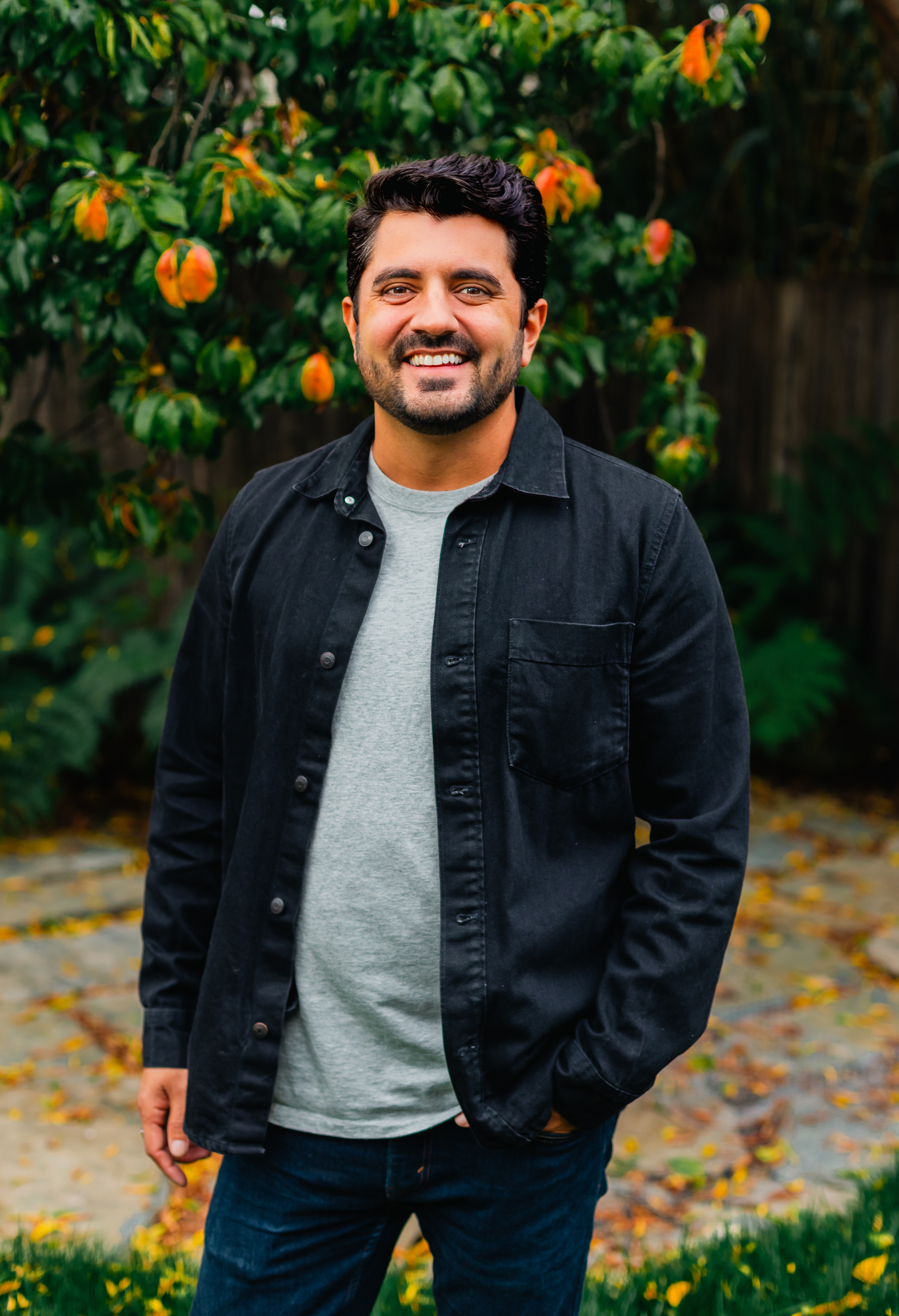
I'm a licensed Marriage and Family Therapist (LMFT #158475) and the founder of Bayside Wellness & Counseling, based in Oakland. I've been doing this work for over 10 years.
I specialize in EMDR because I've seen it create change that talk therapy alone couldn't reach — and I work entirely via telehealth so I can see clients throughout California.
Private pay. Superbill provided — many PPO clients recoup a portion through out-of-network benefits. HSA/FSA accepted.
Before you reach out.
Serving clients throughout the Bay Area.
All sessions via telehealth. Available to clients throughout California, with a concentration in the Bay Area.
Ready to begin?
The first step is a free 15-minute consultation. No forms, no pressure — just a real conversation about whether this is the right fit.