EMDR Therapy for Complicated Grief
Complicated grief — also called prolonged grief disorder — is grief that has become stuck. It may involve guilt, anger, ambivalence, or a loss so sudden or violent that the mind cannot integrate it. EMDR is particularly effective when grief has become lodged in the nervous system rather than moving through it naturally.
Book a free consultation →You might be a good fit if...
The grief is not fading with time — it's as acute now as it was in the beginning
You're having trouble accepting the reality of the loss
Guilt, anger, or regret are tangled up with the sadness in ways you can't separate
The loss was sudden, violent, or traumatic in some way
You feel like part of you is frozen at the moment of the loss
Standard grief support hasn't reached what needs to be reached
Three steps, no surprises.
We talk briefly about what's going on and whether EMDR is a good fit. No forms, no intake paperwork yet — just a real conversation. You can ask anything.
The first full sessions are about understanding your history and building the stabilization skills you'll need. No processing happens until you feel ready and grounded.
We target specific memories and beliefs using bilateral stimulation. Sessions are 45 or 60 minutes, via video. Most people notice real shifts within a handful of sessions.
Marcus Ghiasi, LMFT
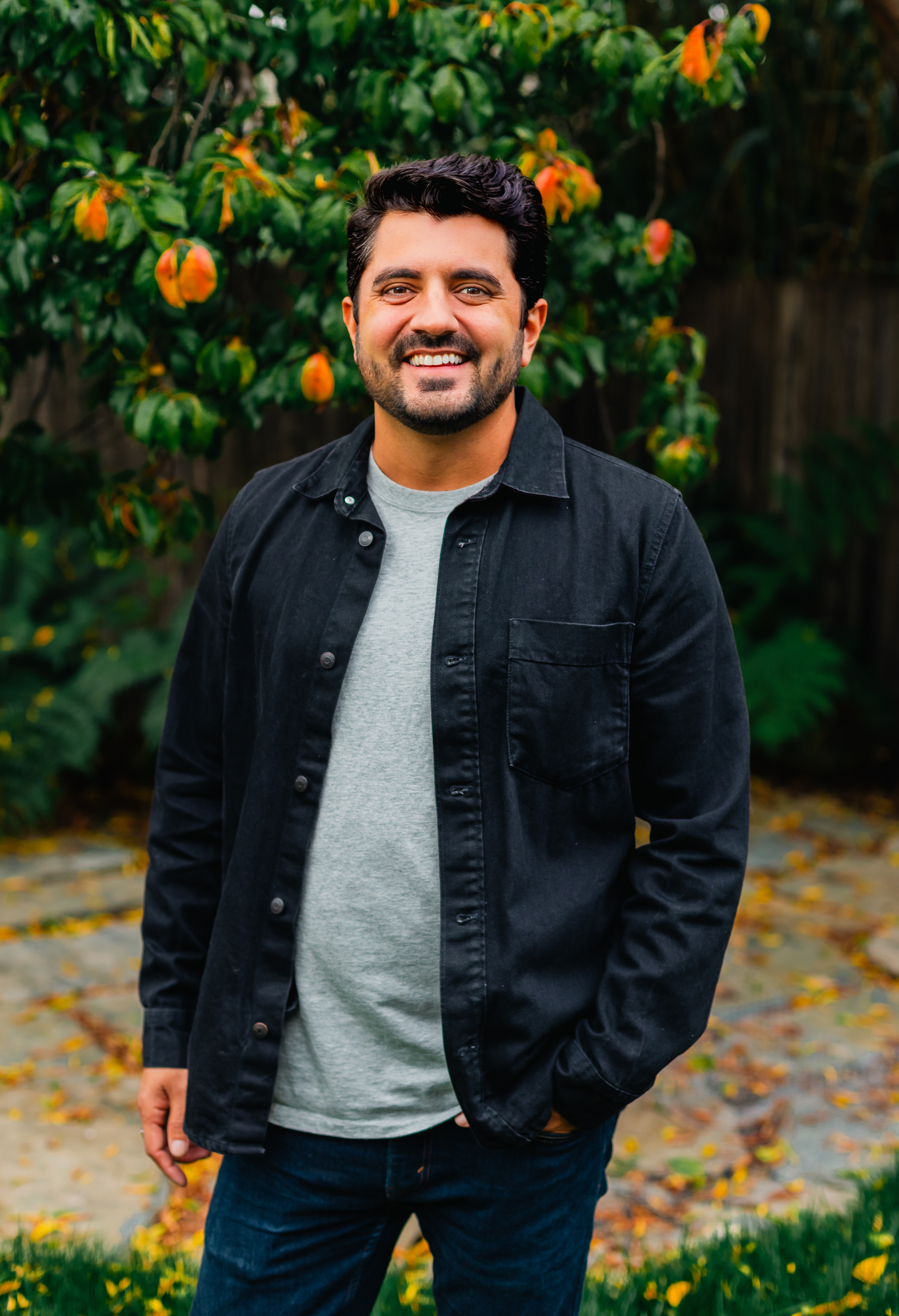
I'm a licensed Marriage and Family Therapist (LMFT #158475) and the founder of Bayside Wellness & Counseling, based in Oakland. I've been doing this work for over 10 years.
I specialize in EMDR because I've seen it create change that talk therapy alone couldn't reach — and I work entirely via telehealth so I can see clients throughout California.
Private pay. Superbill provided — many PPO clients recoup a portion through out-of-network benefits. HSA/FSA accepted.
Before you reach out.
Serving clients throughout the Bay Area.
All sessions via telehealth. Available to clients throughout California, with a concentration in the Bay Area.
Ready to begin?
The first step is a free 15-minute consultation. No forms, no pressure — just a real conversation about whether this is the right fit.