EMDR Therapy for Depression
Depression is not simply sadness — it is a heaviness that disconnects you from yourself, your relationships, and your sense of possibility. For many people, depression has roots in unprocessed loss, trauma, or long-held negative beliefs. EMDR addresses those roots directly, often producing shifts that talk therapy alone could not reach.
Book a free consultation →You might be a good fit if...
The heaviness isn't just sadness — it's a disconnection from yourself, your relationships, your sense of possibility
Medication has helped somewhat but something is still underneath it
You can function but everything costs more than it should
You suspect there are specific experiences — losses, wounds, or long-held beliefs — driving the depression
Talk therapy has provided insight but the depression hasn't lifted
You're ready to try something that goes deeper than what you've already done
Three steps, no surprises.
We talk briefly about what's going on and whether EMDR is a good fit. No forms, no intake paperwork yet — just a real conversation. You can ask anything.
The first full sessions are about understanding your history and building the stabilization skills you'll need. No processing happens until you feel ready and grounded.
We target specific memories and beliefs using bilateral stimulation. Sessions are 45 or 60 minutes, via video. Most people notice real shifts within a handful of sessions.
Marcus Ghiasi, LMFT
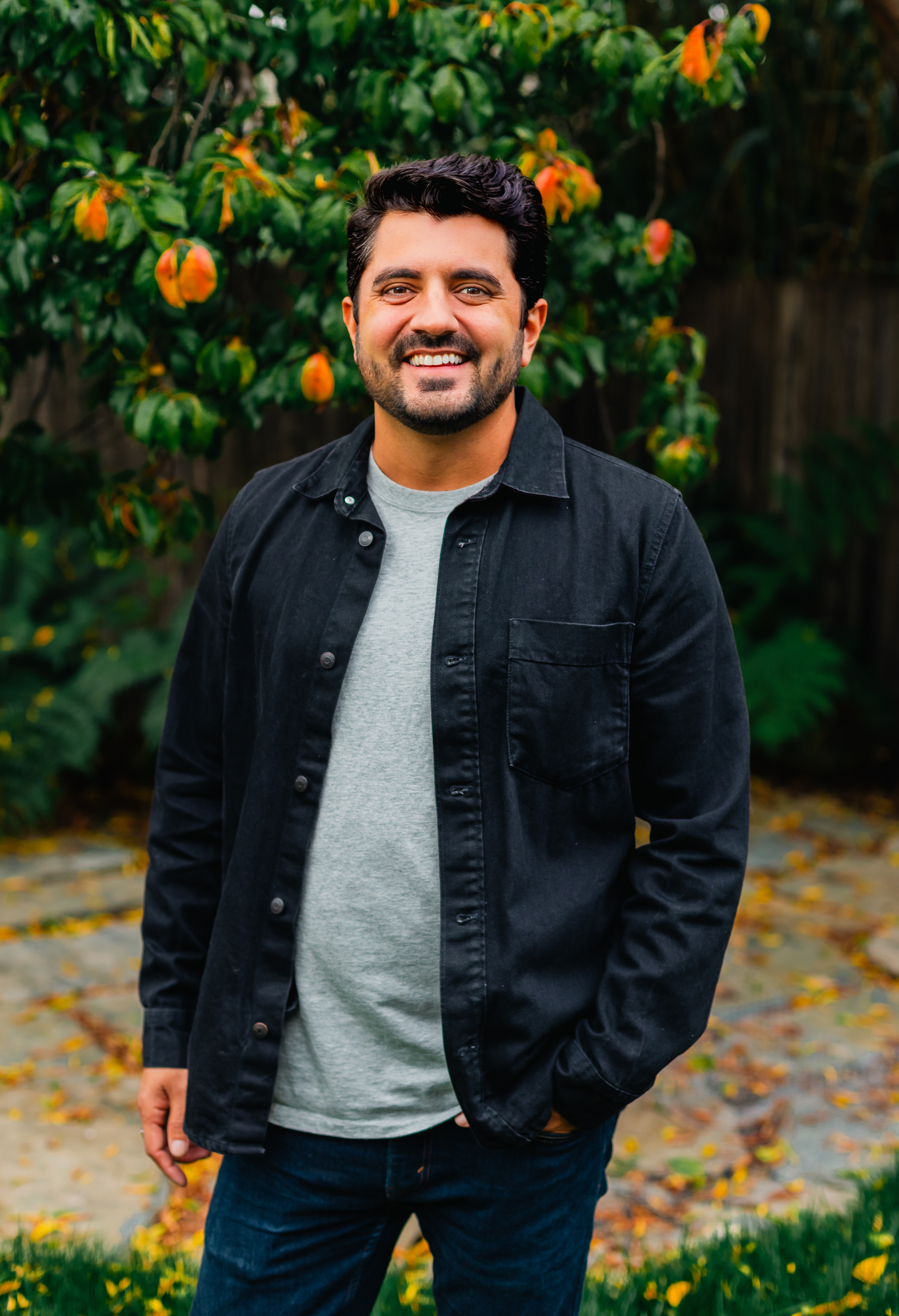
I'm a licensed Marriage and Family Therapist (LMFT #158475) and the founder of Bayside Wellness & Counseling, based in Oakland. I've been doing this work for over 10 years.
I specialize in EMDR because I've seen it create change that talk therapy alone couldn't reach — and I work entirely via telehealth so I can see clients throughout California.
Private pay. Superbill provided — many PPO clients recoup a portion through out-of-network benefits. HSA/FSA accepted.
Before you reach out.
Serving clients throughout the Bay Area.
All sessions via telehealth. Available to clients throughout California, with a concentration in the Bay Area.
Ready to begin?
The first step is a free 15-minute consultation. No forms, no pressure — just a real conversation about whether this is the right fit.