EMDR Therapy for Panic Attacks
Panic attacks can feel like a complete loss of control — heart racing, chest tightening, the sense that something is terribly wrong. EMDR works with the underlying triggers and memories that activate the panic response, reducing both the frequency and intensity of attacks over time. You do not have to keep white-knuckling through them.
Book a free consultation →You might be a good fit if...
You've had at least one panic attack and are now afraid of having another
You're avoiding situations, places, or activities because of what might happen
The panic feels completely out of your control and you can't predict when it will hit
You've been to the ER or had your heart checked and everything came back normal
You're tired of white-knuckling through situations that most people handle easily
You want to address why your nervous system is responding this way, not just manage it when it happens
Three steps, no surprises.
We talk briefly about what's going on and whether EMDR is a good fit. No forms, no intake paperwork yet — just a real conversation. You can ask anything.
The first full sessions are about understanding your history and building the stabilization skills you'll need. No processing happens until you feel ready and grounded.
We target specific memories and beliefs using bilateral stimulation. Sessions are 45 or 60 minutes, via video. Most people notice real shifts within a handful of sessions.
Marcus Ghiasi, LMFT
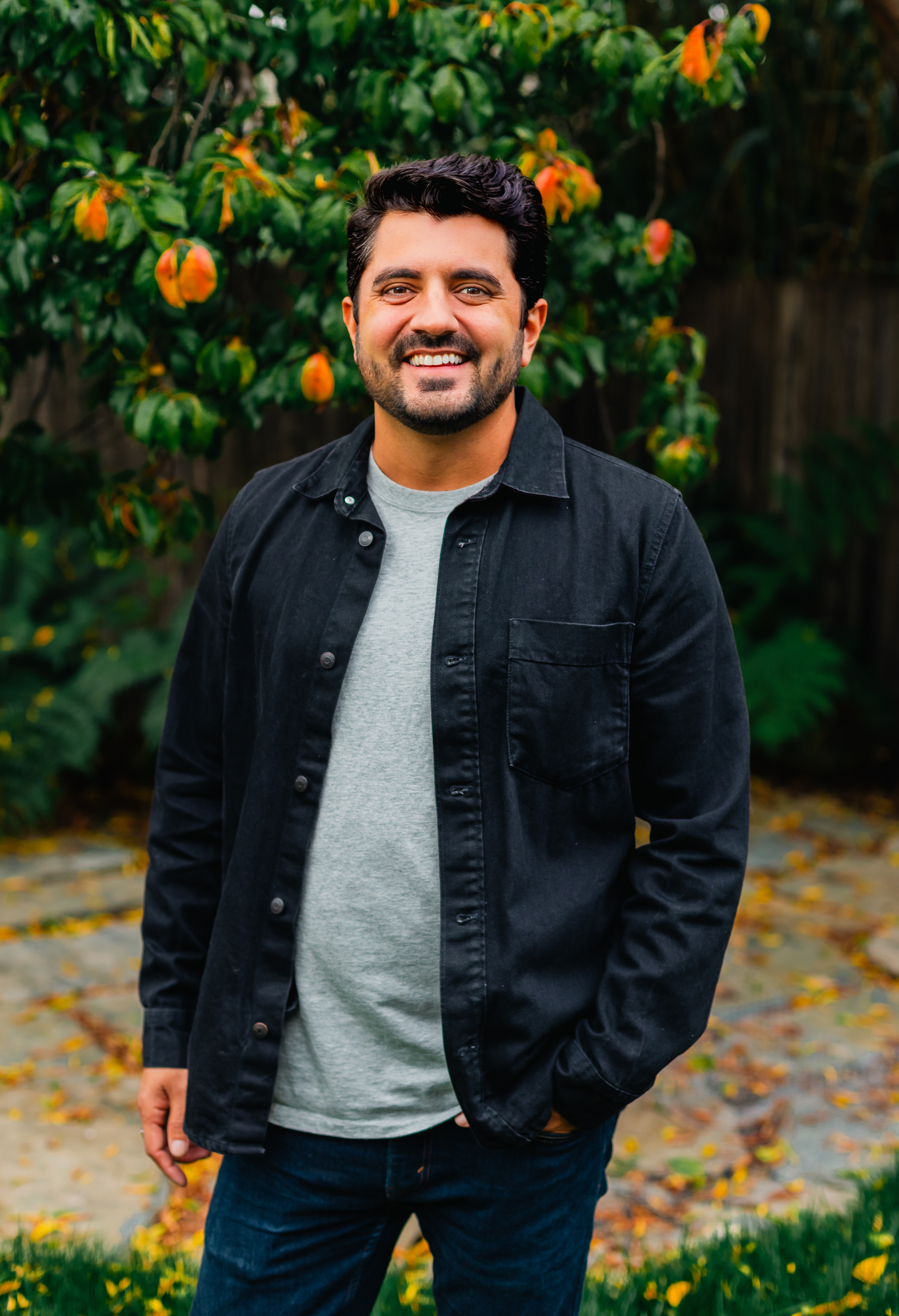
I'm a licensed Marriage and Family Therapist (LMFT #158475) and the founder of Bayside Wellness & Counseling, based in Oakland. I've been doing this work for over 10 years.
I specialize in EMDR because I've seen it create change that talk therapy alone couldn't reach — and I work entirely via telehealth so I can see clients throughout California.
Private pay. Superbill provided — many PPO clients recoup a portion through out-of-network benefits. HSA/FSA accepted.
Before you reach out.
Serving clients throughout the Bay Area.
All sessions via telehealth. Available to clients throughout California, with a concentration in the Bay Area.
Ready to begin?
The first step is a free 15-minute consultation. No forms, no pressure — just a real conversation about whether this is the right fit.