EMDR Therapy for Men
Many men have been taught — explicitly or implicitly — that seeking help is a sign of weakness. It is not. EMDR offers a practical, structured, results-oriented approach to healing that resonates with many men who find traditional talk therapy too open-ended or slow. You do not have to process out loud to make progress.
Book a free consultation →You might be a good fit if...
You've been carrying something for a long time and you're tired of it
Talking about feelings in an open-ended way sounds unappealing — you want something structured and direct
You're high-functioning but something is affecting you more than you let on
You've resisted therapy because it seemed designed for a different kind of person
You don't need someone to tell you your feelings are valid — you need something that actually works
You're ready to deal with this efficiently and get on with your life
Three steps, no surprises.
We talk briefly about what's going on and whether EMDR is a good fit. No forms, no intake paperwork yet — just a real conversation. You can ask anything.
The first full sessions are about understanding your history and building the stabilization skills you'll need. No processing happens until you feel ready and grounded.
We target specific memories and beliefs using bilateral stimulation. Sessions are 45 or 60 minutes, via video. Most people notice real shifts within a handful of sessions.
Marcus Ghiasi, LMFT
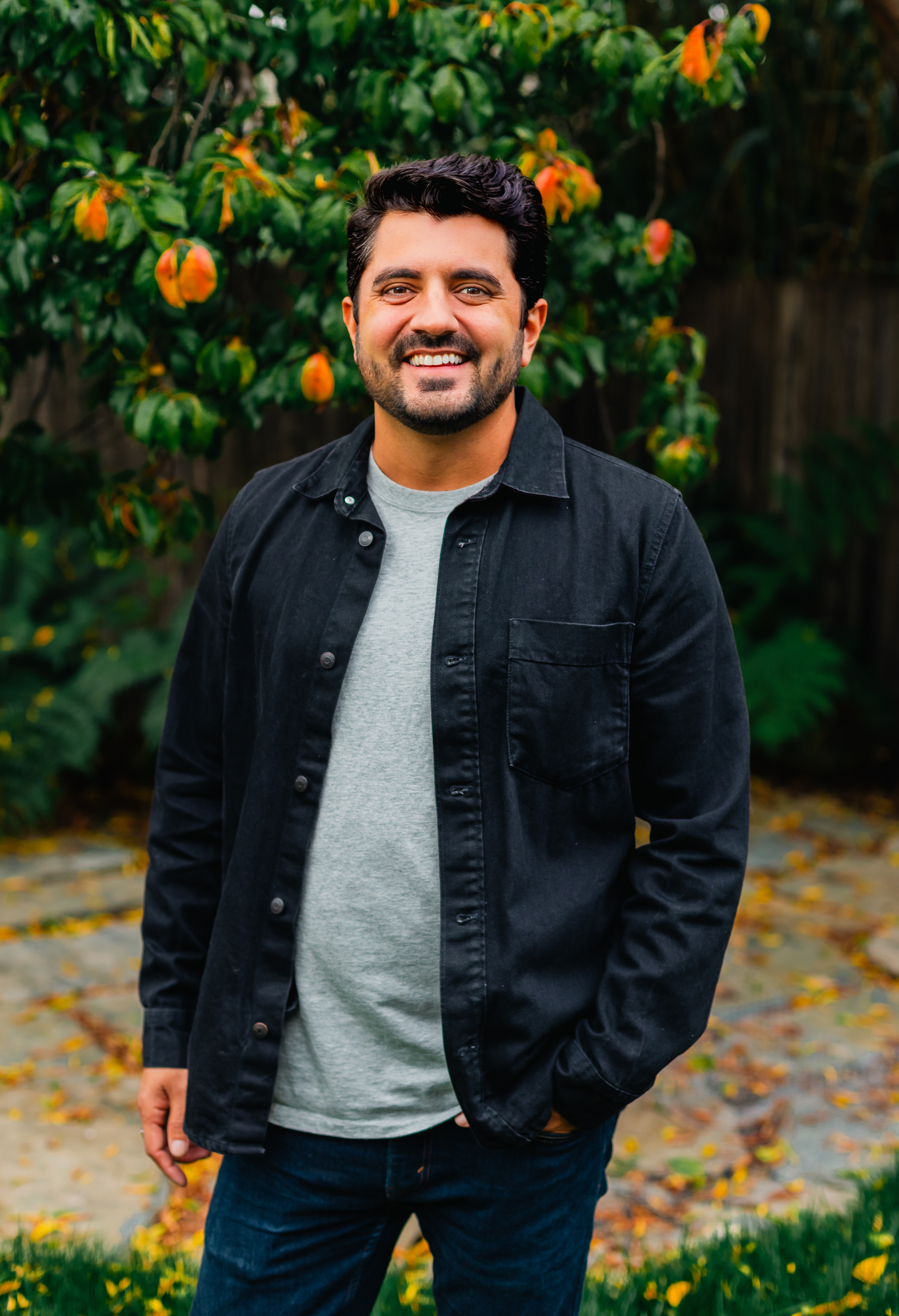
I'm a licensed Marriage and Family Therapist (LMFT #158475) and the founder of Bayside Wellness & Counseling, based in Oakland. I've been doing this work for over 10 years.
I specialize in EMDR because I've seen it create change that talk therapy alone couldn't reach — and I work entirely via telehealth so I can see clients throughout California.
Private pay. Superbill provided — many PPO clients recoup a portion through out-of-network benefits. HSA/FSA accepted.
Before you reach out.
Serving clients throughout the Bay Area.
All sessions via telehealth. Available to clients throughout California, with a concentration in the Bay Area.
Ready to begin?
The first step is a free 15-minute consultation. No forms, no pressure — just a real conversation about whether this is the right fit.