If you have never done EMDR before, it is natural to wonder what it actually looks like — and whether it will work for you. EMDR follows a structured eight-phase protocol, takes place entirely within the session, and does not require you to describe traumatic events in detail. Most people find it more manageable than they expected, and more effective than they hoped.
LMFT #158475·EMDR Trained·10+ years experience·Free 15-min consult
We talk briefly about what's going on and whether EMDR is a good fit. No forms, no intake paperwork yet — just a real conversation. You can ask anything.
02
History & preparation
The first full sessions are about understanding your history and building the stabilization skills you'll need. No processing happens until you feel ready and grounded.
03
Active processing
We target specific memories and beliefs using bilateral stimulation. Sessions are 45 or 60 minutes, via video. Most people notice real shifts within a handful of sessions.
About
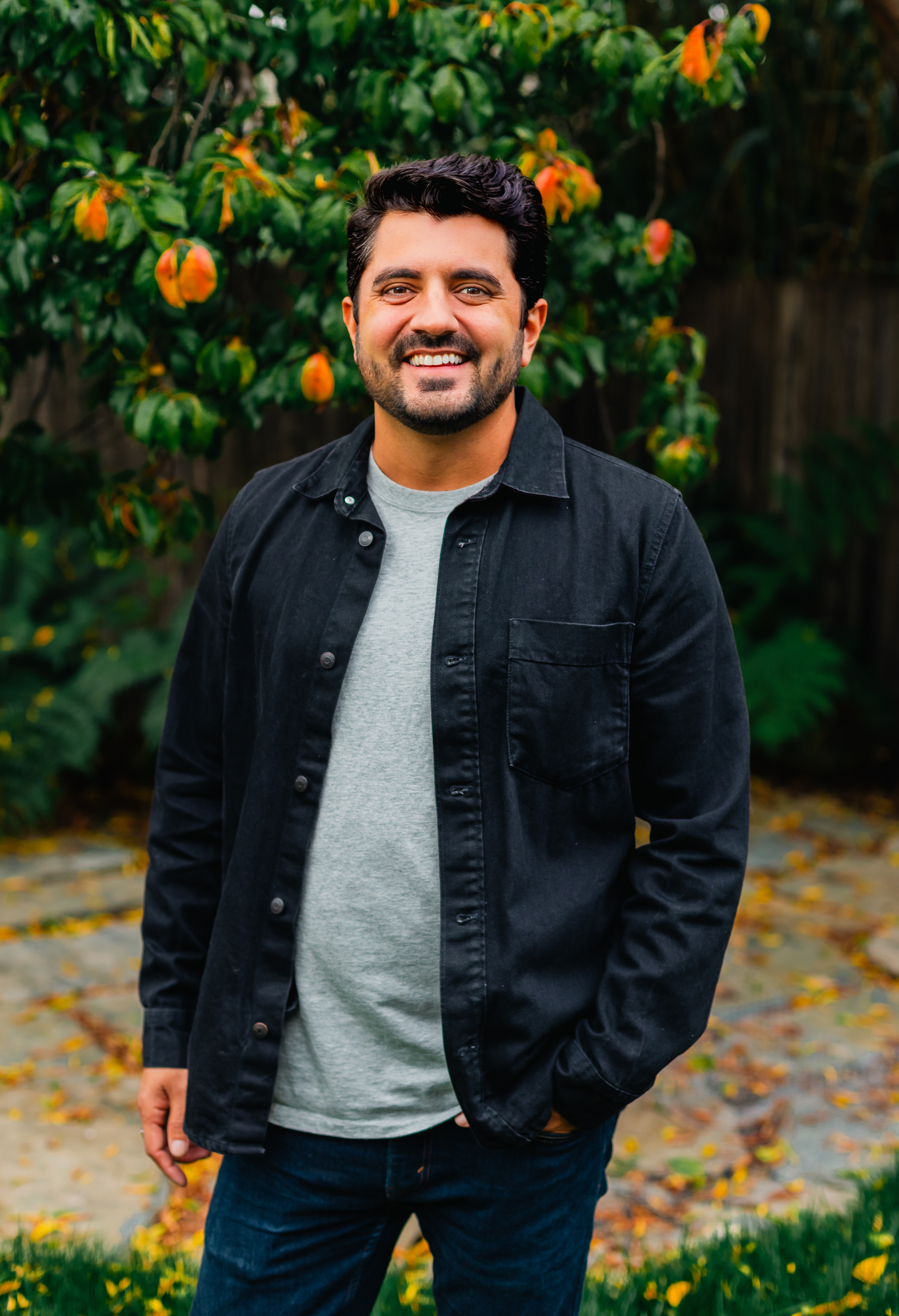
Marcus Ghiasi, LMFT
I'm a licensed Marriage and Family Therapist (LMFT #158475) and the founder of Bayside Wellness & Counseling, based in Oakland. I've been doing this work for over 10 years.
I specialize in EMDR because I've seen it create change that talk therapy alone couldn't reach — and I work entirely via telehealth so I can see clients throughout California.
LMFT #158475EMDRIA TrainedMA — USFBA — SF State10+ YearsTelehealth CA
45-minute session$210
60-minute session$280
Private pay. Superbill provided — many PPO clients recoup a portion through out-of-network benefits. HSA/FSA accepted.
After history-taking and preparation in early sessions, an active EMDR session involves: identifying a specific memory or target; noticing the associated image, belief, emotion, and body sensation; and then engaging in bilateral stimulation — typically following a moving dot on the screen with your eyes — while holding the target in mind. The processing happens during the sets of bilateral stimulation. Between sets, you briefly report what's coming up. The therapist guides the direction based on what you share.
No. You are fully conscious and in control throughout. You're not in a trance, you're not told what to think or feel, and you can stop at any point. The bilateral stimulation facilitates the brain's natural processing mechanism — it doesn't put you under or make you suggestible. Many people are surprised by how present and aware they feel during EMDR.
Sometimes, briefly — and it's worth being honest about that. Processing difficult memories can stir things up between sessions. Most people describe it as feeling tired or emotionally tender for a day or two. This is normal and typically settles quickly. We build stabilization skills before any processing begins specifically so you have tools to manage this.
The most common sign is that the memory loses its charge — it can still be recalled, but it no longer produces the same emotional or physical intensity. Negative beliefs shift: 'I am not safe' becomes genuinely less true-feeling, not just intellectually challenged. Most people notice this shift happening during sessions, not just in retrospect.
Service areas
Serving clients throughout the Bay Area.
All sessions via telehealth. Available to clients throughout California, with a concentration in the Bay Area.